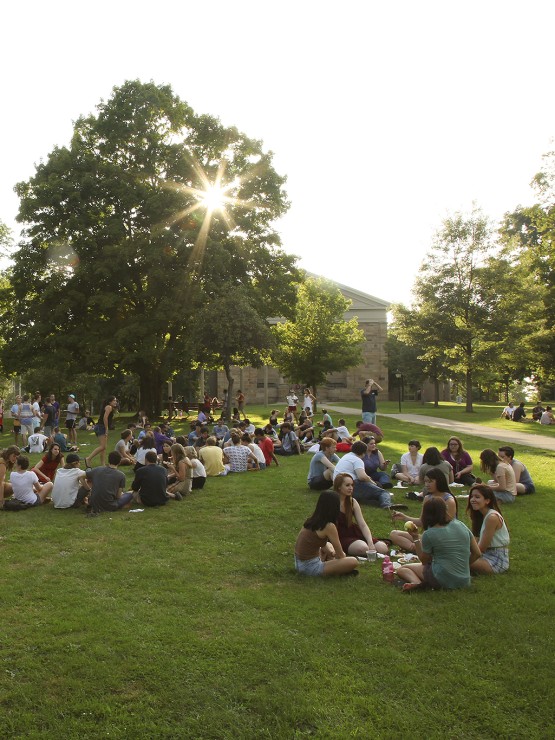
Skills that matter, a setting that inspires
Spend a week living and learning on Kenyon’s campus alongside a close-knit cohort of motivated high school juniors and seniors from across the country. Together, you will explore college-level coursework during this immersive, week-long program from July 5-11.
Each course is built around a single area of study and emphasizes discussion, experimentation and mentorship from Kenyon professors. Rather than sitting in on lectures and taking exams, you will engage in the practices that scholars actually use — observing, analyzing, writing, building, questioning and revising your ideas alongside a small group of peers.
You will leave with new academic skills, a completed body of work, and a clearer understanding of how a liberal arts education works in practice.
The Courses
Eligible students will enroll in a week-long, college-level course. Small class sizes allow for close mentorship, discussion-based learning and individualized feedback.
Investigate how AI systems shape the ways that we communicate, create, govern and understand one another. Through observation, experimentation, modeling and interpretation — practices shared in the fields of computing, social sciences and humanities — we examine how AI reflects and amplifies human values, assumptions and inequities.
During the week, you will develop projects including: small AI-driven prototypes grounded in real-world data, interactive demonstrations or critical analyses, and speculative systems imagining alternative futures for human-AI interaction.
Guided by readings ranging from technical explainers and case studies to essays, journalistic articles and creative works, we will explore how knowledge and imagination intersect in the design and deployment of intelligent systems, which ask for our attention, creativity and responsibility as they reshape the human world.
Investigate how language informs the ways that we interpret and care for art today. Through close looking, discussion and shared writing prompts, we explore the ways in which writing guides the public’s understanding of visual culture. We also will examine the roles of art historians, critics and curators in communicating meaning to different audiences.
Working directly with artworks in The Gund and the Blick-Harris Study Collection, you will connect writing to curatorial practice and exhibition design. With a focus on writing that communicates ideas concisely and helps visitors navigate artworks with clarity and confidence, you will develop projects such as: ekphrastic object descriptions, gallery wall labels, exhibition statements, and guided tour presentations.
Conversations with guest writers and a field trip to an art museum will demonstrate how description and curation become forms of active arts stewardship.
Investigate how writers and scientists observe, interpret and re-envision the environments we inhabit. Through observation, experiment, analysis and interpretation — practices shared in the writing and scientific fields — we probe the complexities of the natural world. Starting from a foundation of facts, we will take creative leaps into a realm of wonder, mystery and awe inspired by our changing planet.
During the week, you will produce original work across multiple genres, including: lyric essays rooted in field observation, speculative narratives inspired by environmental change, and hybrid pieces blending research and storytelling.
Guided by readings ranging from scientific reports to fiction and poetry, we will explore how knowledge and imagination intersect to shape compelling narratives about the world around us.
The Faculty
Courses are developed and led by the same Kenyon professors who teach undergraduates during the academic year.
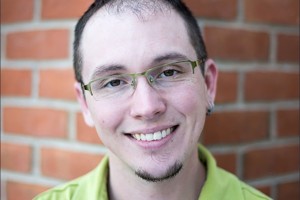
R. Jordan Crouser, Professor of Computing
Crouser is a computer scientist who explores the human side of computing — how people interact with data, algorithms, and each other via emerging technologies. Prior to Kenyon, he was a chair at Smith College and conducted research at MIT Lincoln Laboratory.
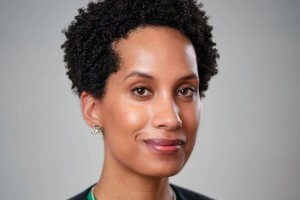
Daisy Desrosiers, Director and Chief Curator, The Gund
Overseeing Kenyon’s arts-learning museum, The Gund, Desrosiers collaborates with faculty, students and staff to offer programs and exhibits that foster curiosity toward new ideas, people and experiences, while managing the care of 200 pieces of contemporary art.
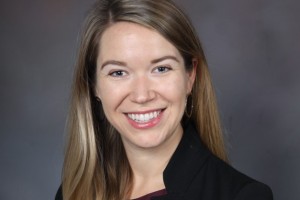
Katherine Calvin, Assistant Professor of Art History
Calvin’s teaching and research areas include early modern art and visual culture as well as the history of museums and the art market. She recently served as an National Endowment for the Humanities Fellow at Chicago’s Newberry Library.
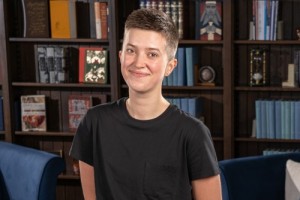
Alyssa Quinn, Assistant Professor of English
A published author, Quinn teaches fiction writing at Kenyon, specializing in experimental and eco-literature. They are working on a novel about nuclear waste.

The Residential Experience
Live in apartment-style suites in Kenyon’s newest residence hall and be part of a community led and supported by Kenyon students and resident assistants. Evening programming will introduce students to the rhythms of life at a college where every student lives on campus.Application and Tuition
Kenyon’s Pre-College Program is open to motivated, rising high school juniors and seniors. The fee for this week-long experience is $2,500 and covers tuition, accommodations, meals and activities. To apply, please fill out the application form by March 31. You will be asked to submit the following:
- Academic transcript
- Personal statement
- Preferred course selection
There are beautiful colleges — and then there’s Kenyon.
Explore one of the most beautiful campuses in the country, as described by Travel + Leisure, Architectural Digest, House Beautiful and U.S. News. You will make full use of Kenyon’s academic and social spaces, including these iconic spots.
-

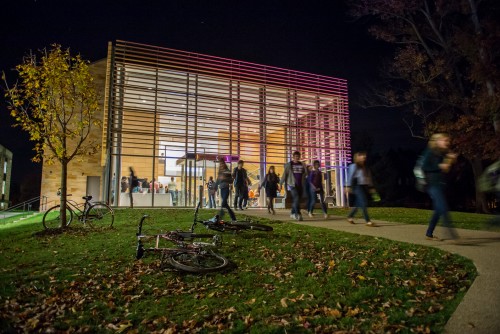
Gund Gallery
ArtsAlways expect the unexpected at the Gund Gallery, Kenyon’s museum of contemporary art.
-
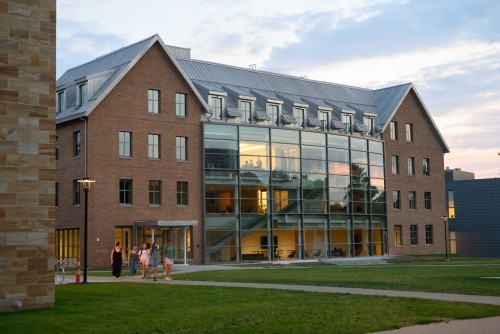
Oden Hall
ClassroomsThe newest addition to the West Quad, this academic community is a shared home for the social sciences.
-
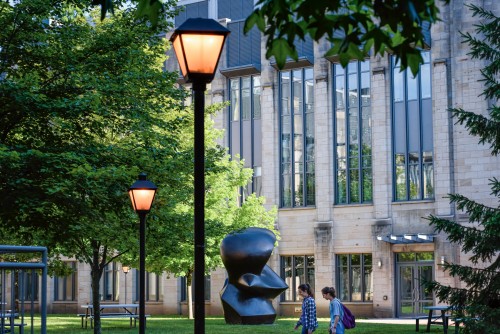
Science Quad
SciencesEach building here is connected to promote interdisciplinary research and community-building.
-
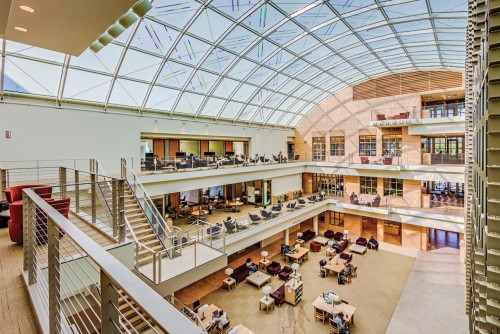
Chalmers Library
ClassroomsOur light-filled library is a hub for undergraduate research and experiential learning.
-
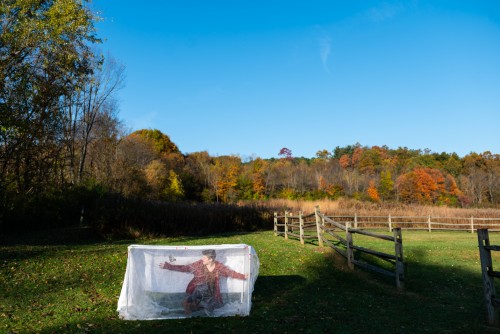
Brown Family Environmental Center
SciencesKenyon’s 610-acre nature preserve serves as a living laboratory.
-
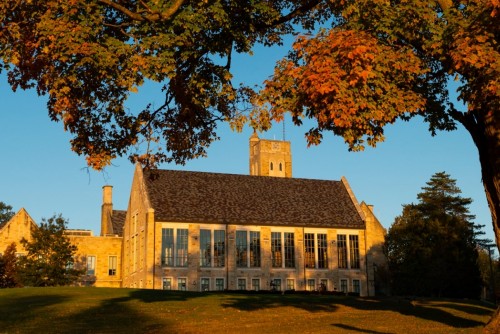
Peirce Hall
Gathering SpacesAlong with Old Kenyon and its slender spire, Peirce may be the College’s most recognizable landmark.
-
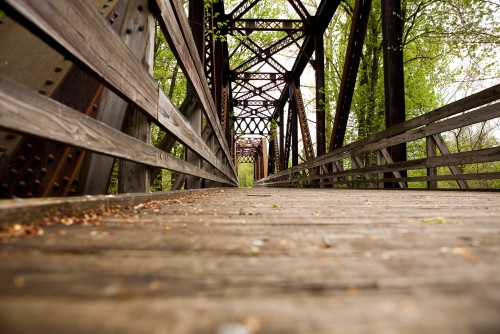
Kokosing Gap Trail
RecreationThis 14-mile trail hugs the bank of the Kokosing River as it winds through forests and farmland.
-
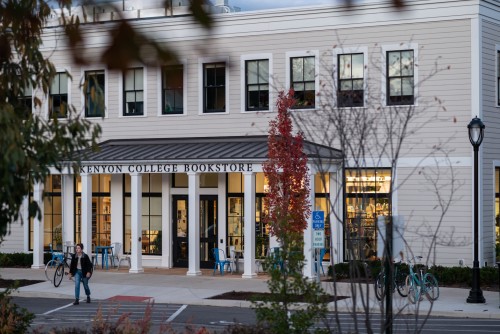
Bookstore
Gathering SpacesLocated in the heart of the village, the Bookstore is an important hub of Kenyon’s literary scene.
Pre-College Program at Kenyon
104 College Drive
Gambier, OH 43022