“Theory.” In literary studies and sociology, theories not only guide how we do the practical work of interpreting texts and data, they also offer critiques of the here and now and contain our hopes for a better future. Abstract yet fundamental, complex yet elegant, opaque yet clarifying: these contradictions make learning and arguing about theory its own confounding and pleasurable exercise (as any student or professor at Kenyon will tell you!).
But in today’s public debates, “theory” has come to represent a kind of academic way of thinking that is too tendentious, too impractical, too political and too condescending. On the right, “critical theory,” “postmodernism,” and other theories represent ideologies to be challenged. On the left, not “reading your theory” turns theory into a cudgel against one’s potential allies. Higher education suffers from the politics of interference and division.
In a politically-polarized world and with the incredible cost of higher education, what value does the exercise of theory give us as learners who are also members of the public? Is there another way to approach democratic life in a cynical age instead of endless critique? Can literary studies and sociology give us answers?
Two stellar figures in their fields will address these topics in conversation.

Rita Felski is John Stewart Bryan Professor of English at the University of Virginia. She has made important contributions to feminist theory, aesthetics, and literary interpretation, thinking about how publics engage with literature and art. Her book "The Limits of Critique" (Chicago 2015) challenged the practice and disposition of critique in literary studies. Her new book, "Selective Affinities: Literature and New Critical Theory," will be published with the University of Chicago Press in fall 2026.
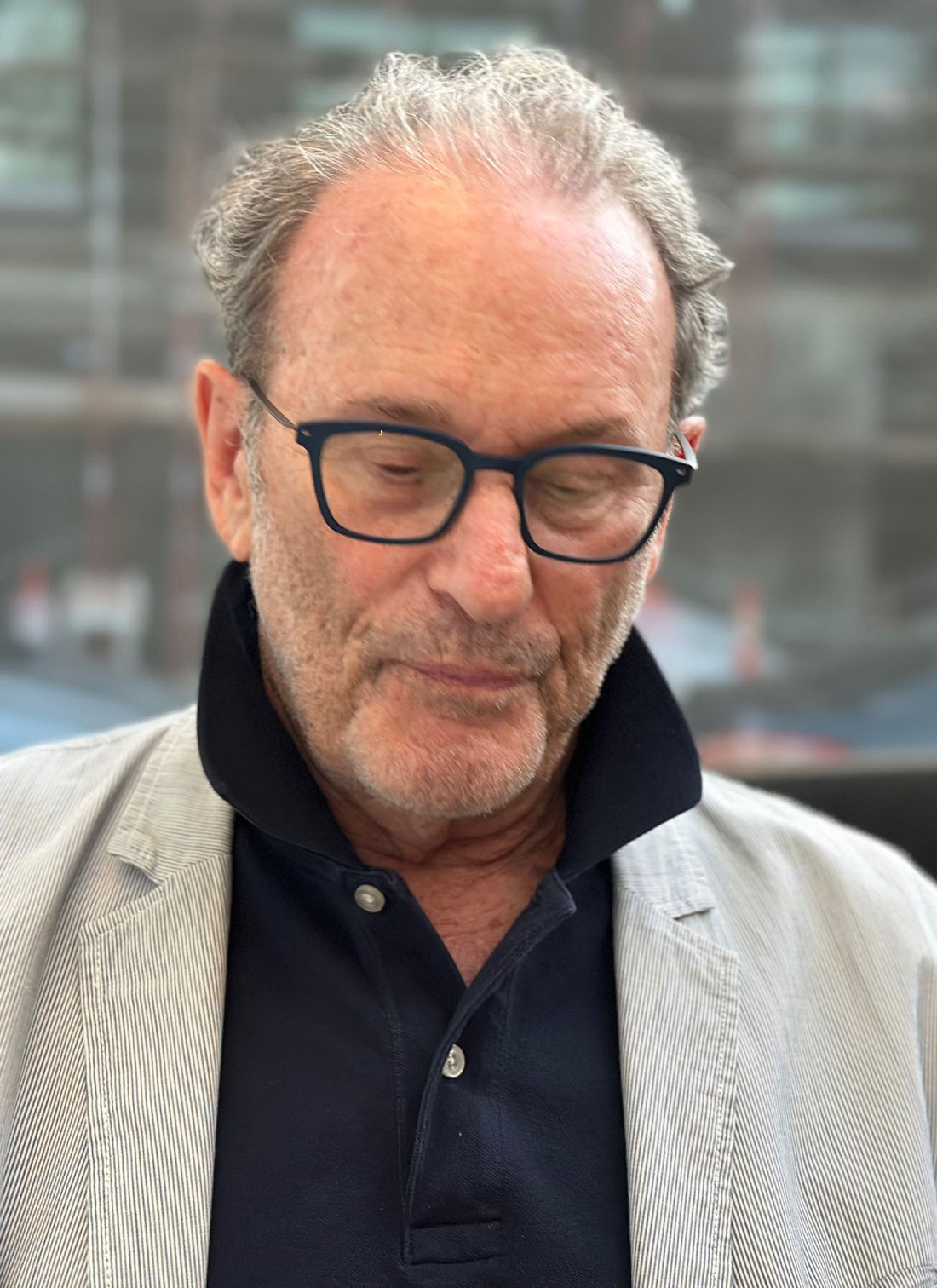
Jeffrey Alexander is a professor emeritus at Yale University where he was the Lillian Saden Chavenson Professor of Sociology. He is a leading figure in sociological theory, advocating for the study of meaning in social life through cultural sociology. He has written on trauma, the performance of politics, and civil society. His two most recently published books are "Civil Repair" and "Frontlash/Backlash," both with Polity Press. He is working on a book project on iconicity.